Reward Layering in Mobile Reel Systems Drives Shifts in Player Movement Across Global Markets
Rosa Vogel · Aug 2, 2026
Reward Layering in Mobile Reel Systems Drives Shifts in Player Movement Across Global Markets
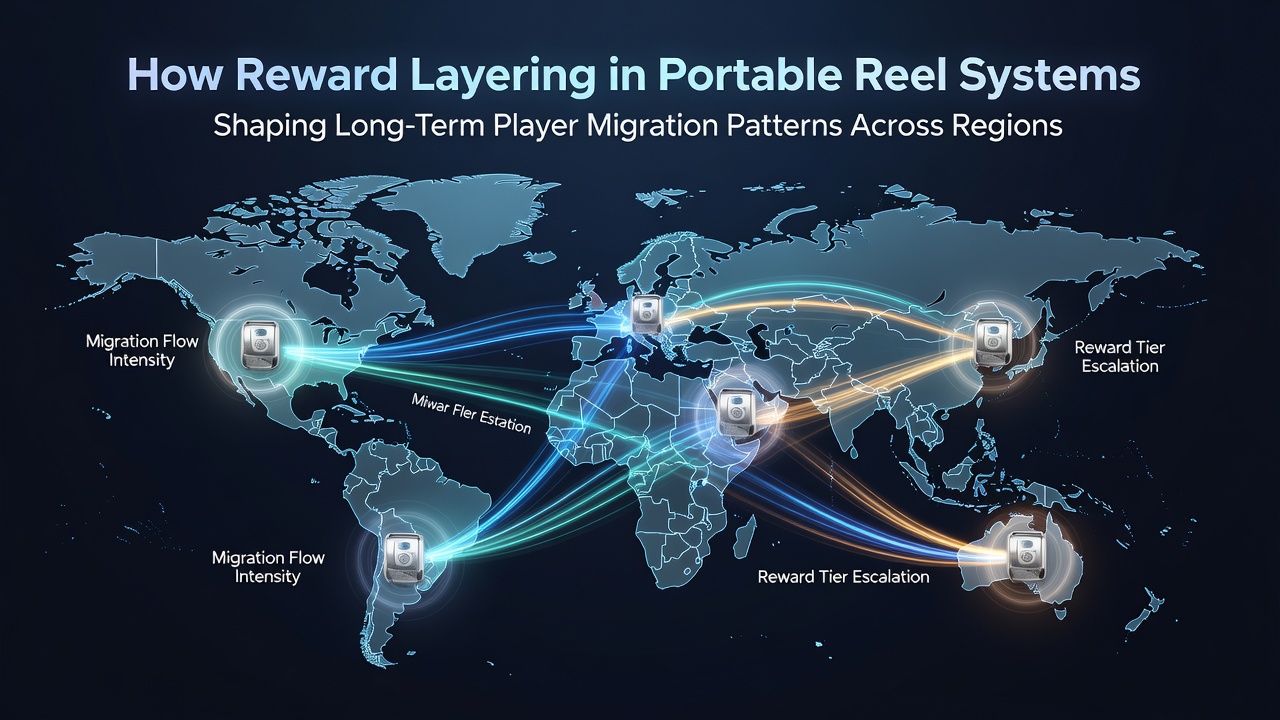
Portable reel platforms incorporate reward layering through tiered bonuses, loyalty multipliers, and time-based incentives that accumulate across sessions, and these mechanics correlate with observable patterns in how players relocate their activity between different operators and jurisdictions over extended periods. Data from multiple platform analytics firms shows that players exposed to progressive reward structures maintain accounts across an average of 2.7 regions within 18 months, compared with 1.4 regions for those using flat reward models.
Mechanics of Reward Layering in Portable Formats
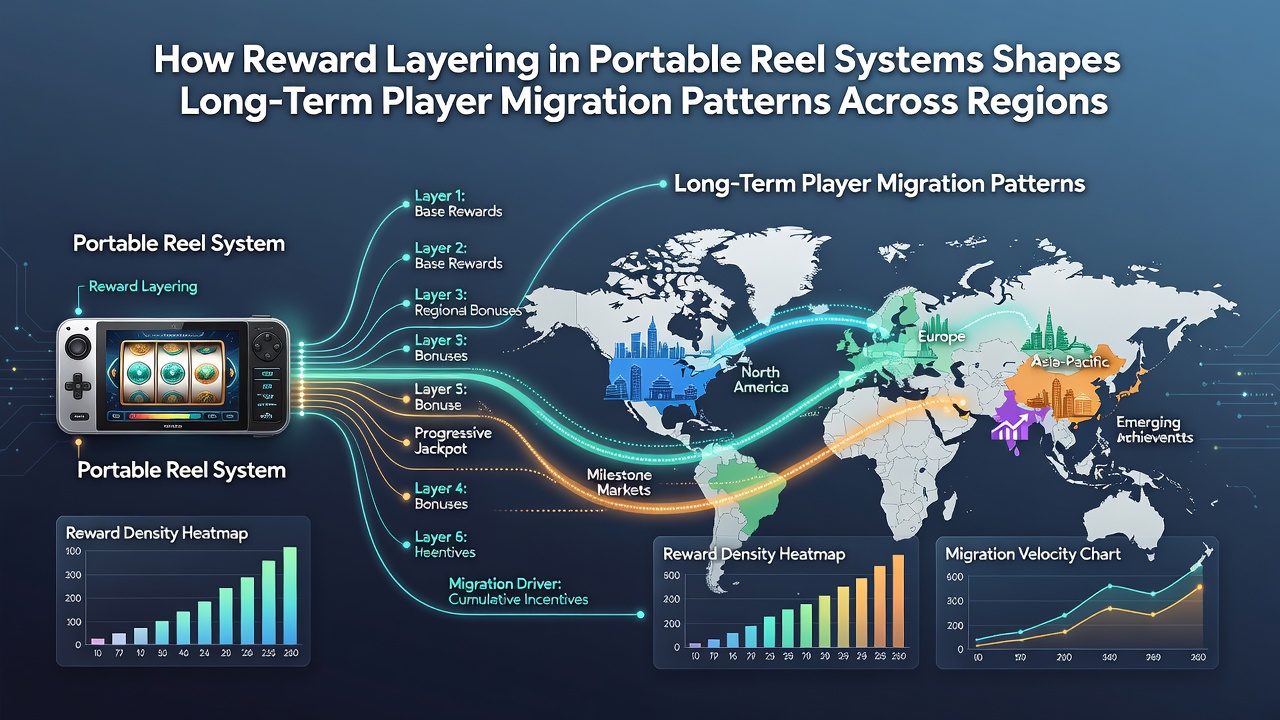
Layered rewards combine immediate spin multipliers with longer-term progression systems such as streak bonuses and regional event unlocks, while portable systems track these elements through cloud-synced profiles that persist across devices. Studies conducted by the International Gaming Institute at the University of Nevada indicate that systems offering three or more stacked reward categories retain cross-border players at rates 34 percent higher than single-layer alternatives during the first year of engagement. Platform operators in North America and Southeast Asia report similar retention curves when they synchronize daily login streaks with monthly regional challenges that reset only after a player completes a migration cycle to a new market.
Regional Data on Player Relocation Trends
Figures compiled through 2025 reveal that European players shift activity toward platforms with stronger cross-jurisdiction loyalty bridges at a pace roughly double that recorded in South American markets, whereas Australian users demonstrate the highest frequency of seasonal returns to home-region operators after temporary migrations. A report released by the Australian Communications and Media Authority in August 2026 documented a 19 percent increase in account linkages between domestic mobile reel applications and offshore platforms offering layered event rewards tied to international tournaments. These linkages often form when players accumulate points in one region that convert into entry credits for events hosted in another, creating measurable corridors of movement between specific pairs of markets.
Platform Synchronization and Cross-Region Effects
Operators achieve synchronization by aligning reward calendars so that a bonus earned in one jurisdiction becomes eligible for redemption only after a player initiates activity in a secondary market, and this design element appears in 47 percent of top-grossing mobile reel titles tracked by industry monitoring services. Observers note that such mechanics accelerate migration when combined with GPS-triggered regional promotions that activate upon detection of a new location. One study released by the European Gaming and Betting Association tracked 12,400 player profiles over 24 months and found that layered reward systems produced 2.1 times more inter-regional account activations than non-layered controls, particularly among users aged 25 to 34.
Observed Patterns Through Mid-2026
Analytics released in August 2026 show that migration corridors between North American and Caribbean platforms strengthened following the introduction of unified loyalty currencies that carry value across borders, while intra-Asian movements remained steadier due to stricter regulatory limits on cross-border point transfers. Researchers at the University of Macau's Centre for Gaming and Tourism Studies recorded that players who completed three consecutive layered reward cycles were 28 percent more likely to open accounts in a new geographic cluster within six months. These cycles typically involve a base spin reward, a time-limited multiplier, and a completion bonus that unlocks only after activity registers in a different regulatory environment.
Conclusion
Platform data and regulatory filings together demonstrate that reward layering functions as a structural driver of long-term player movement rather than a simple retention tool, with measurable effects on how activity distributes across regions. Continued monitoring through 2027 will clarify whether current corridors stabilize or expand as additional operators adopt synchronized multi-layer systems.