Regulatory Evolutions in Digital Gambling Sectors Influence Promotional Mechanics in International Mobile Networks
Devon Foster · Oct 3, 2026
Regulatory Evolutions in Digital Gambling Sectors Influence Promotional Mechanics in International Mobile Networks
Regulatory frameworks across multiple jurisdictions continue to evolve in ways that directly affect how operators distribute promotional free spins within mobile reel platforms. In October 2026 several markets implemented updated compliance requirements that altered eligibility criteria, bonus structure limits, and cross-border synchronization protocols for these incentives. Data from industry tracking services shows these adjustments have prompted operators to recalibrate their promotional calendars and target audiences on international networks.
Key Regulatory Developments Across Regions
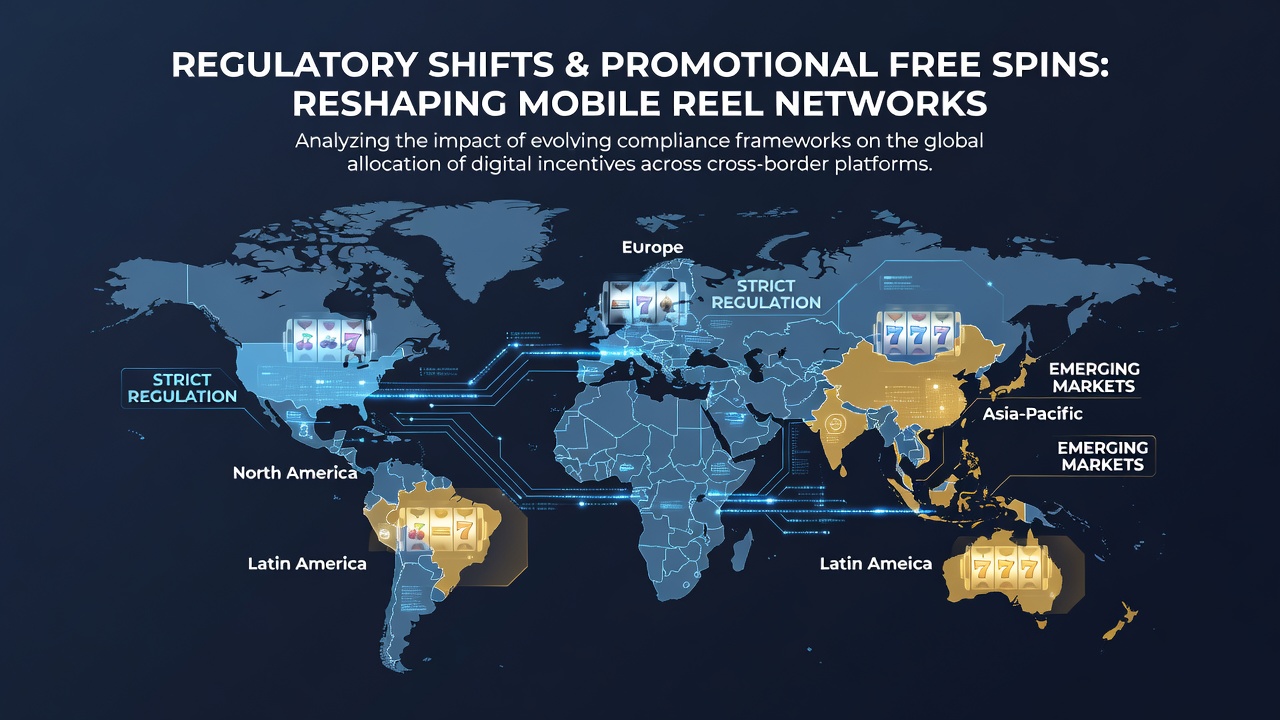
European markets outside the United Kingdom introduced tighter rules on bonus transparency and player verification timelines during the first half of 2026, according to reports from the Malta Gaming Authority. These changes required mobile platforms to segment free spin offers based on verified account age and geographic location, which reduced the volume of automated promotions sent to users in certain territories. Operators responded by shifting distribution schedules toward regions with more flexible verification windows, creating noticeable imbalances in offer frequency between connected mobile networks.
North American regulators also contributed to the shift. The Nevada Gaming Control Board published updated guidelines in late 2025 that took effect in October 2026, mandating clearer disclosure of wagering requirements attached to free spins. Mobile operators serving the U.S. market adjusted their reel network algorithms to limit simultaneous bonus releases across state lines, preferring staggered rollouts that comply with varying state-level advertising standards.
Impact on Mobile Reel Network Synchronization
International mobile reel platforms rely on synchronized backend systems to manage progressive features and promotional timing. When one jurisdiction alters bonus rules, operators must update these systems to prevent violations in connected markets. Research from the Canadian Gaming Association indicates that synchronization delays increased by 18 percent in the third quarter of 2026 following the October regulatory updates, as teams worked to isolate free spin distributions by regulatory zone.
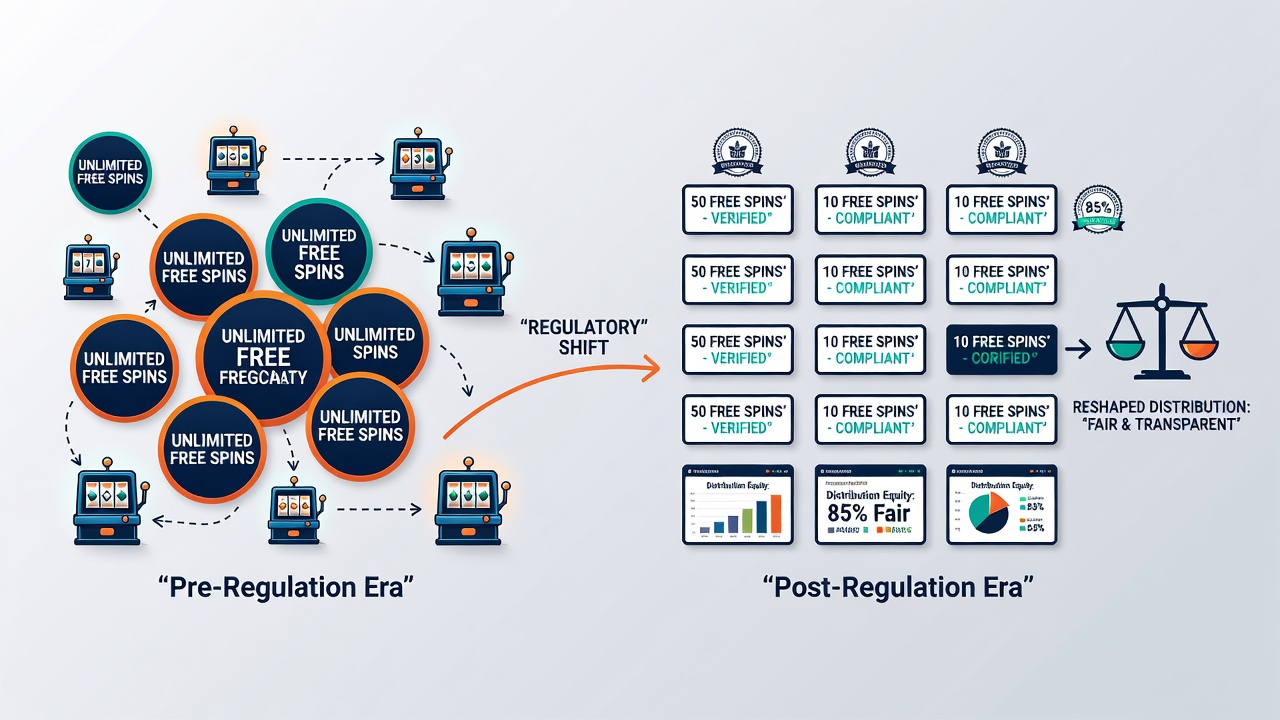
Operators have adopted geo-fencing and account-level tagging to manage these constraints. One study conducted by researchers at the University of Nevada, Reno found that platforms using dynamic tagging reduced compliance incidents by 27 percent compared with static distribution models. The same study noted that free spin offers now appear more frequently in markets with stable regulatory environments while decreasing in regions undergoing active policy reviews.
Changes in Player Eligibility and Offer Structure
Eligibility rules have grown more granular. Platforms must now verify player location and account history before releasing free spins, which has lengthened the time between registration and first bonus receipt in several networks. Figures released by the Australian Communications and Media Authority reveal that average free spin distribution rates dropped 12 percent in cross-border mobile campaigns during the October 2026 transition period.
Bonus structures themselves have adapted. Many operators replaced unlimited free spin packages with capped daily allotments that reset according to local time zones. This approach helps maintain compliance while preserving player engagement across different regulatory zones. Observers note that mobile reel networks serving multiple continents now maintain separate promotional queues for each major regulatory bloc to avoid overlap violations.
Future Outlook for Promotional Distribution
Industry associations expect further fragmentation as additional jurisdictions finalize their digital gambling policies. The European Gaming and Betting Association has tracked a rise in operator requests for modular bonus engines that can toggle features on or off depending on the active regulatory profile. Such systems allow platforms to adjust free spin volume and mechanics without rebuilding entire mobile reel infrastructures.
Those who monitor these networks report that promotional free spin distribution has become less uniform and more segmented. Data collected through the third quarter of 2026 shows increased concentration of offers in markets with predictable compliance environments and reduced activity in zones experiencing frequent regulatory updates.
Conclusion
Regulatory shifts continue to reshape how promotional free spins move through international mobile reel networks. Changes implemented in October 2026 accelerated the move toward segmented distribution models, geo-specific eligibility checks, and modular bonus engines. Operators rely on updated synchronization protocols and compliance tagging to maintain operations across borders while meeting the distinct requirements of each jurisdiction. These adaptations reflect the ongoing interaction between policy developments and the technical architecture that supports global mobile gambling platforms.