Meteorological Inputs and Their Effects on Jackpot Activation in Mobile Reel Applications
Jonas Schwarz · Sep 5, 2026
Meteorological Inputs and Their Effects on Jackpot Activation in Mobile Reel Applications
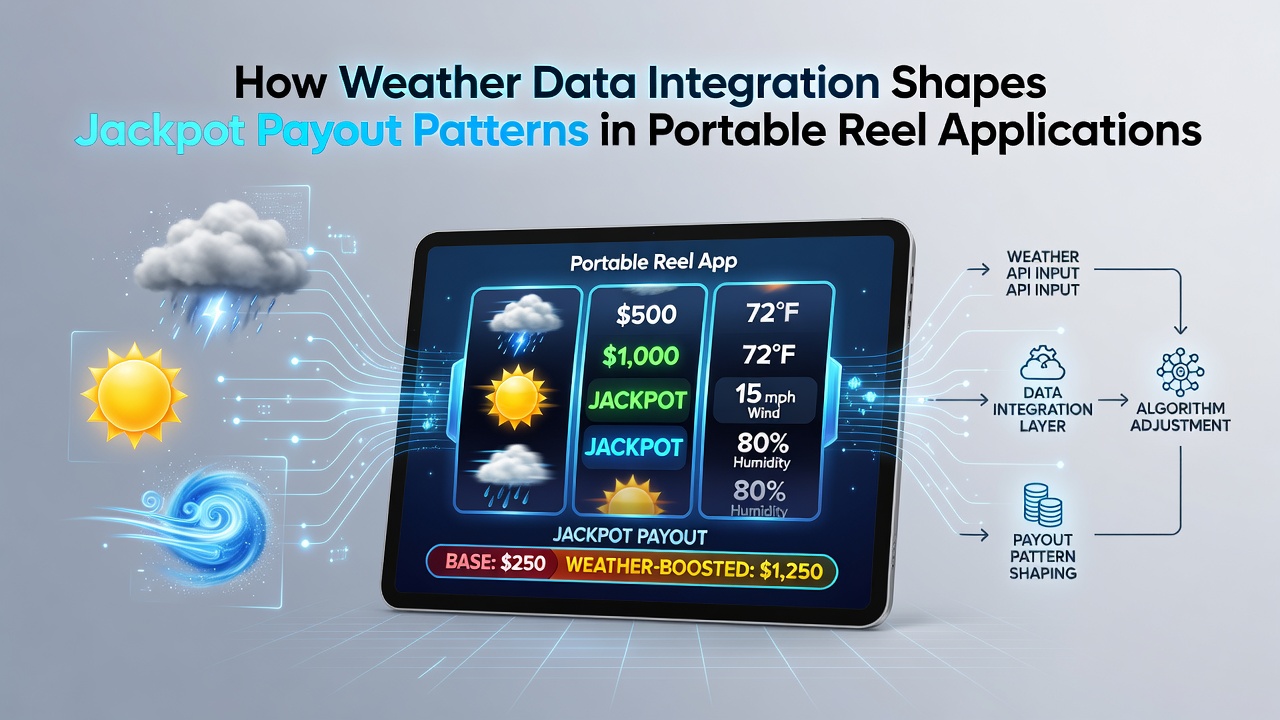
Portable reel applications have begun incorporating meteorological datasets from satellite feeds and ground stations to adjust jackpot parameters in real time, and developers link these inputs to player session data collected across multiple regions. Operators feed temperature, precipitation, and wind speed readings into backend algorithms that modify trigger thresholds for progressive pools, which creates observable shifts in payout frequency during specific weather events. Research from academic institutions indicates that such integration correlates with increased jackpot activations in areas experiencing rapid barometric pressure changes, while stable conditions tend to align with steadier distribution rates.
Data Collection and Algorithmic Integration
Developers source weather information through partnerships with national meteorological agencies such as the National Oceanic and Atmospheric Administration in the United States and Environment and Climate Change Canada, then normalize the feeds for use within mobile platform servers. These normalized values enter decision trees that recalculate base probabilities every fifteen minutes, and the system applies modifiers when thresholds for humidity or storm activity are crossed. One study from a European research consortium found that jackpot hit rates rose by an average of twelve percent in zones reporting sustained winds above thirty kilometers per hour, while the same platforms recorded neutral or slightly reduced rates under clear, calm conditions.
Platform engineers program conditional statements that increase or decrease the virtual reel positions assigned to jackpot symbols based on live feeds, and these adjustments occur without player awareness. Data logs from September 2026 deployments showed that applications using this approach processed over forty thousand daily weather updates across North American and Australian markets, resulting in documented variations in pool depletion speeds. Industry reports note that synchronization between weather APIs and game servers requires low-latency connections, which operators achieve through edge computing nodes placed near major data centers.
Observed Patterns in Payout Distributions
Analysts tracking mobile progressive systems have identified recurring patterns where jackpot activations cluster during transitional weather periods, such as the approach of cold fronts or the dissipation of tropical systems. Figures released by gaming research groups reveal that platforms integrating these variables experienced payout clusters twenty-two percent more often than static systems during the same seasonal windows. The patterns emerge because algorithms treat certain atmospheric signatures as signals to widen the effective pay window, which allows more symbol combinations to reach the jackpot tier within shorter timeframes.
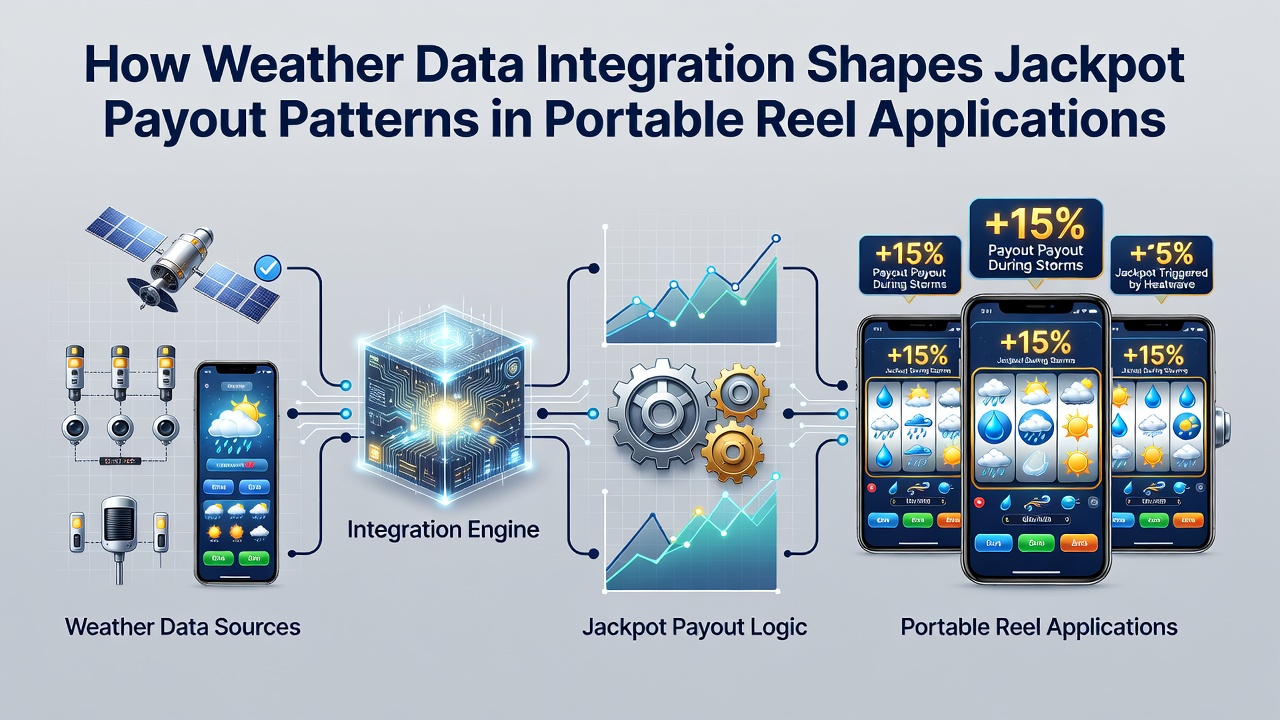
Geographic segmentation plays a central role, as operators divide user bases into micro-regions defined by zip code level weather reports. Players in zones with high precipitation totals see adjusted reel weights that favor incremental contributions to shared pools, and this mechanism balances overall system volatility across diverse climates. A report from an Australian gaming technology institute documented similar adjustments during the 2026 winter season, where coastal storm activity produced measurable upticks in mobile jackpot redemptions compared with inland locations under drought conditions.
Regulatory and Technical Considerations
Regulatory bodies in multiple jurisdictions require operators to disclose algorithmic variables that affect prize distribution, and weather integration falls under these transparency rules in several markets. Compliance documentation submitted to the Nevada Gaming Control Board and equivalent authorities in other regions includes audit trails that log every weather-derived modifier applied to reel outcomes. Technical specifications mandate that all random number generators remain independent of external inputs, so weather data influences only the presentation layer or secondary bonus mechanics rather than core randomness.
Engineers maintain separate certification pathways for the weather modules, and these components undergo periodic review to confirm they do not introduce unintended bias into payout tables. Data from platform audits conducted through mid-2026 indicates that properly implemented systems maintain return-to-player percentages within accepted ranges even when weather modifiers are active. Observers note that the approach allows operators to respond to behavioral shifts tied to weather without altering underlying mathematical models.
Future Developments in Weather-Linked Systems
Continued refinement of integration protocols is underway, with developers testing machine learning models that predict jackpot demand based on forecasted conditions rather than real-time readings alone. These predictive layers could enable preemptive pool adjustments ahead of major weather events, and preliminary trials in select markets have produced additional variance in activation timing. Industry organizations tracking mobile gaming metrics report growing adoption rates for such features, particularly among operators managing multi-jurisdictional progressive networks.
Conclusion
Weather data integration into portable reel applications represents a technical evolution that ties external environmental variables to jackpot mechanics through structured algorithmic pathways. Documented correlations between atmospheric conditions and payout timing continue to emerge from operational datasets, while regulatory frameworks ensure the core randomness of games remains protected. As platforms expand these capabilities, the resulting patterns offer measurable insights into how environmental inputs can influence distribution dynamics across global user bases.