Bonus Redemption Patterns Across Age Demographics in Virtual Slot Platforms
Jonas Schwarz · Oct 17, 2026
Bonus Redemption Patterns Across Age Demographics in Virtual Slot Platforms
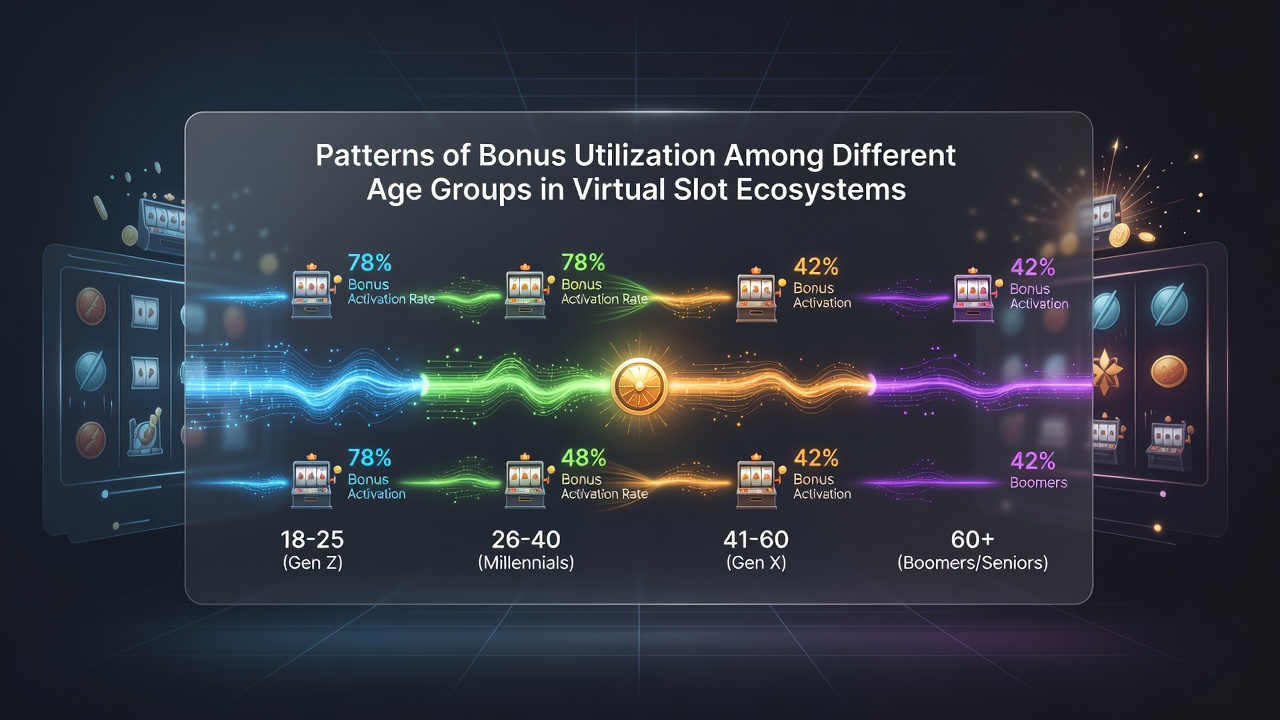
Virtual slot platforms continue to expand their bonus structures as a core retention tool, and recent analyses reveal distinct utilization patterns that shift noticeably across age brackets. Data compiled through platform analytics in October 2026 highlight how players aged 18 to 24 favor instant free-spin rewards while those over 55 lean toward deposit-match offers that stretch play sessions, according to findings from multiple operator datasets.
Core Differences by Age Bracket
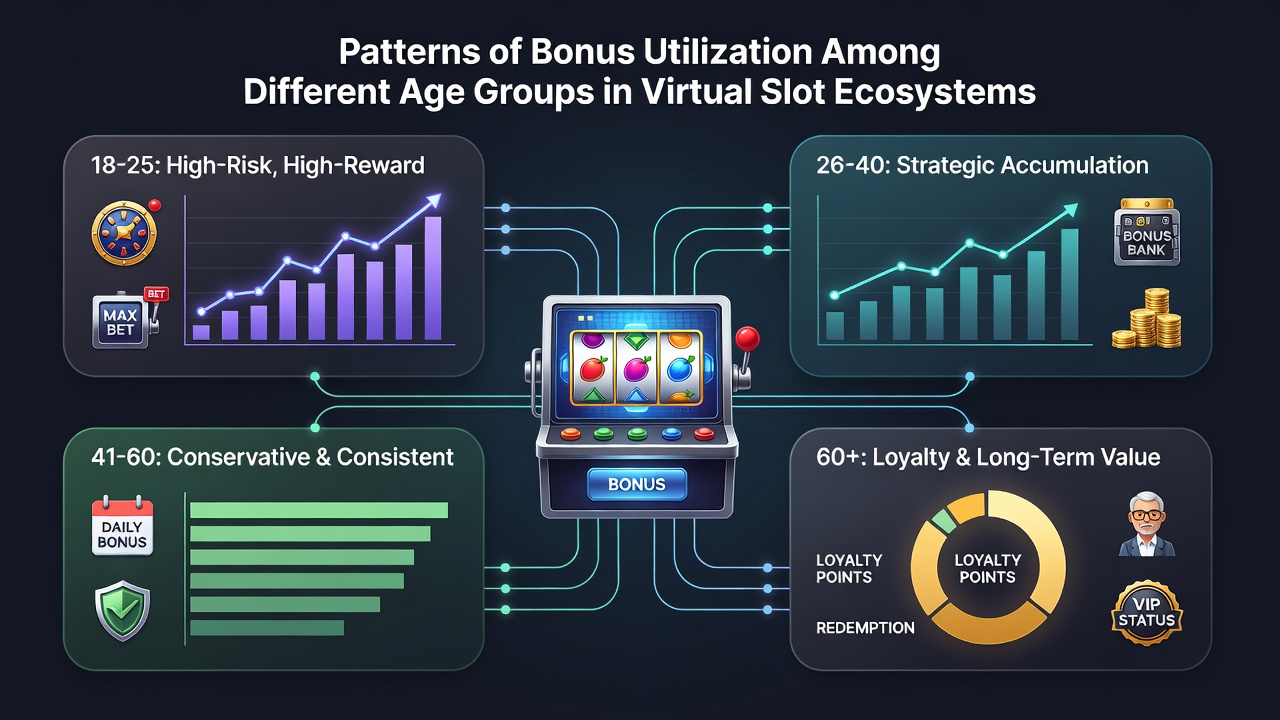
Younger cohorts, particularly those between 18 and 34, demonstrate higher engagement with time-limited bonuses that require quick activation, whereas mid-life players aged 35 to 54 show stronger preference for loyalty-tiered rewards that accumulate over repeated visits; older groups extend their sessions through cashback mechanisms that offset variance in reel outcomes. Researchers tracking these trends note that mobile-first interfaces amplify these differences, since younger users complete bonus wagering requirements faster on apps while desktop users from older demographics complete them across multiple sittings.
Statistical Breakdown from Recent Reports
Figures released by the American Gaming Association's 2026 demographic survey indicate that 62 percent of bonus activations among 18-to-24-year-olds involved free-spin packages, compared with 41 percent for the 45-to-54 group and only 29 percent for players 55 and above. In contrast, deposit bonuses accounted for 58 percent of redemptions in the oldest cohort, a figure that drops to 33 percent among the youngest users. These patterns hold across major platforms even as overall bonus volume rose 14 percent year-over-year through the first three quarters of 2026.
Platform operators report that players in the 25-to-34 range complete wagering requirements at the highest rate, often within 48 hours of claim, while those aged 55 and older spread the same requirements across four to seven days on average. This extended timeline correlates with larger average bet sizes per spin once the bonus is active, creating different revenue profiles for each segment despite similar total bonus spend.
Factors Influencing Utilization Rates
Device preference and session length play measurable roles in how each age group approaches bonus terms. Studies from the Australian Institute of Family Studies 2026 gambling technology report show that 78 percent of 18-to-24 activations occur on smartphones during short breaks, while 65 percent of 55-plus redemptions happen on desktop computers during evening hours. These behavioral distinctions affect everything from bonus expiry windows to the types of games operators promote within the offers themselves.
Seasonal campaigns launched in October 2026 further illustrated these divides, with younger players responding more readily to event-tied free-spin drops tied to sports or entertainment tie-ins, while older users gravitated toward fixed-percentage deposit matches that aligned with scheduled leisure time. Observers tracking retention metrics note that cross-promotion with loyalty programs narrows the gap somewhat, yet the underlying preference for instant versus accumulative rewards remains consistent across regions.
Platform Design Adjustments
Developers have begun tailoring bonus presentation layers to match observed age-based habits. Interfaces that surface time-sensitive offers prominently see higher click-through from users under 35, whereas simplified deposit-match screens with larger text elements improve uptake among players over 50. These adjustments appear in both browser-based and native app environments without altering the underlying mathematics of the promotions.
Geographic data adds another layer: North American platforms record stronger uptake of cashback bonuses among older users compared with European markets, where free-spin volume remains elevated across all age groups. Such regional nuances suggest that localization of bonus menus could further refine engagement without requiring changes to core reward mechanics.
Conclusion
Patterns of bonus utilization continue to reflect clear demographic segmentation within virtual slot ecosystems. Age groups exhibit consistent preferences that operators can track through activation logs, completion timelines, and device data. As platforms refine their promotional calendars in response to these measurable behaviors, the distinctions between cohorts remain a central factor in how virtual slot rewards are structured and presented.